

About the Island
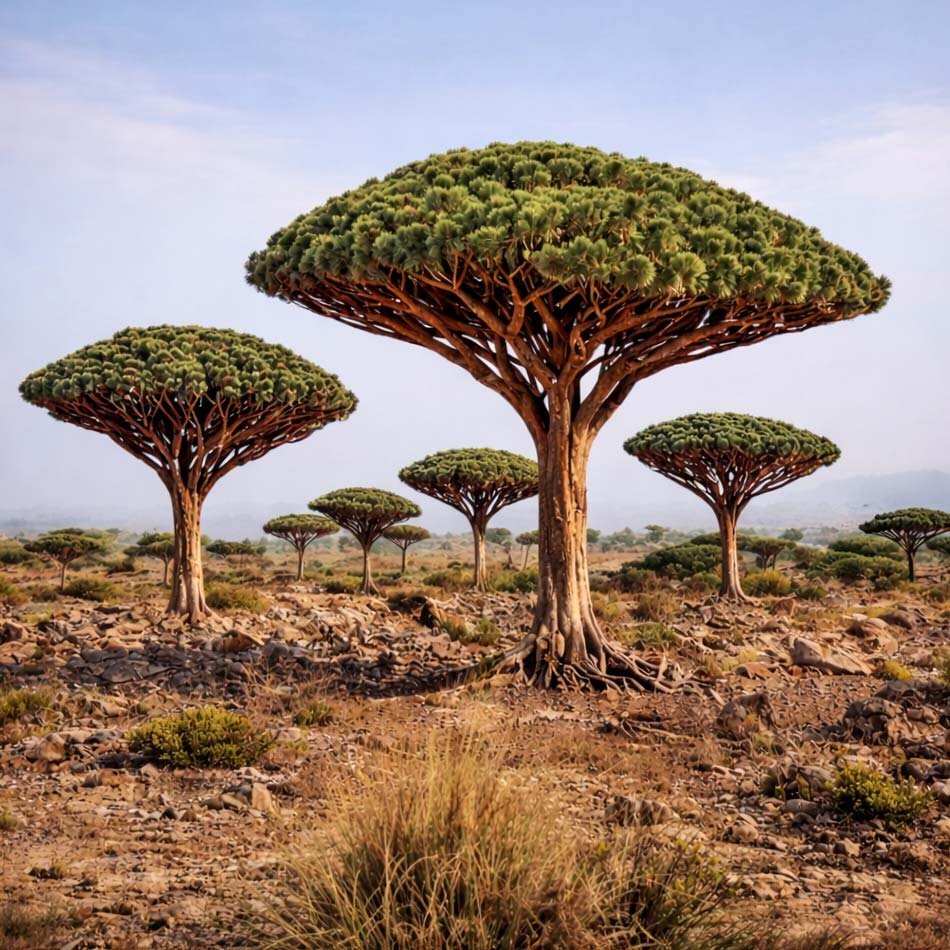
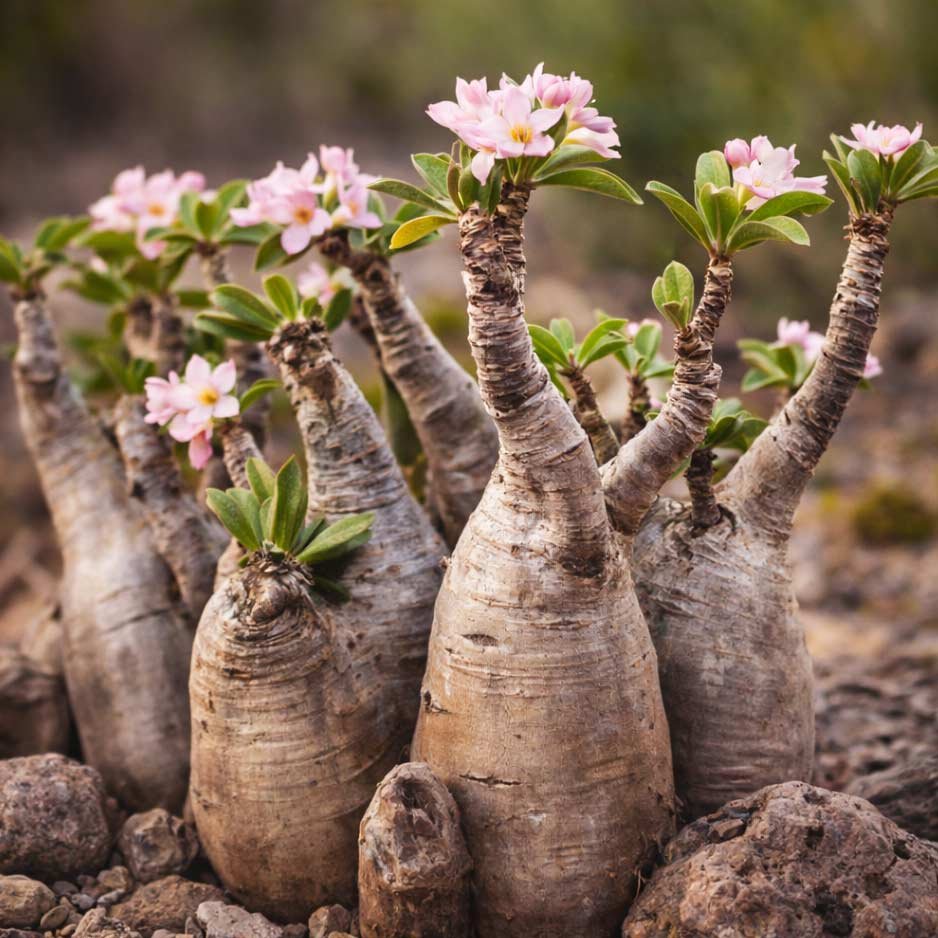
Socotra is often described as one of the most extraordinary places on Earth. It is a wild island ecosystem shaped by isolation and time. Over thousands of years, its separation from surrounding continents allowed plants and landscapes to evolve in remarkable ways. That is why you will encounter surreal Dragon Blood Trees with umbrella-shaped crowns, unusual bottle-shaped desert roses, dramatic limestone caves, rugged mountain ridges, and turquoise lagoons all within a single island. Travelers often compare Socotra to the Galápagos because of its biodiversity, yet it remains far quieter and less commercialized.
In recognition of its exceptional natural value, Socotra was designated a UNESCO World Heritage Site in 2008. Beyond its landscapes, the island is defined by simplicity. Wide horizons, star-filled skies, and a slower rhythm of life create an experience that feels deeply connected to nature. For travelers seeking something raw, peaceful, and visually unforgettable, Socotra offers a destination unlike anywhere else.
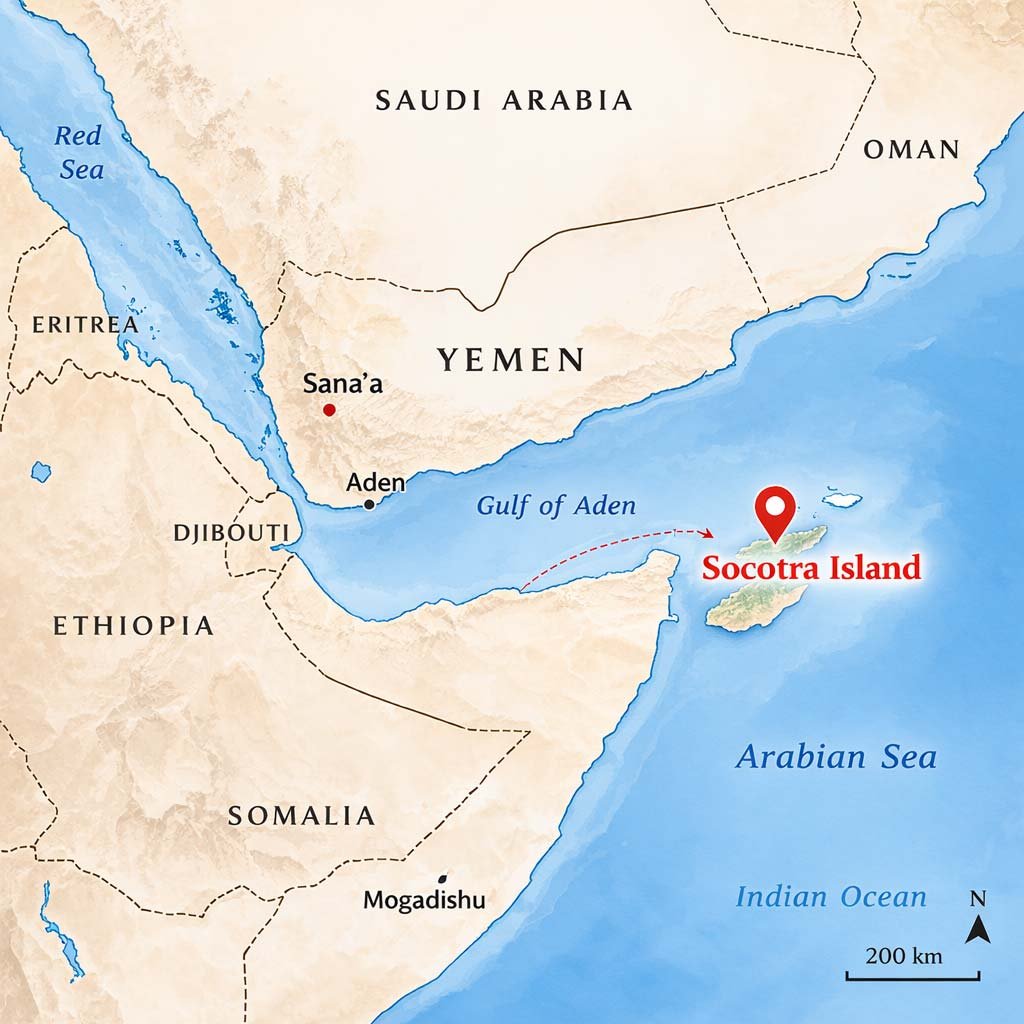
Socotra sits in the Arabian Sea at the mouth of the Gulf of Aden, roughly 380 kilometers south of mainland Yemen and geographically closer to the Horn of Africa than to the Arabian Peninsula. It is the largest island of the Socotra archipelago and has long stood along historic maritime routes linking Arabia, East Africa, and the Indian Ocean.
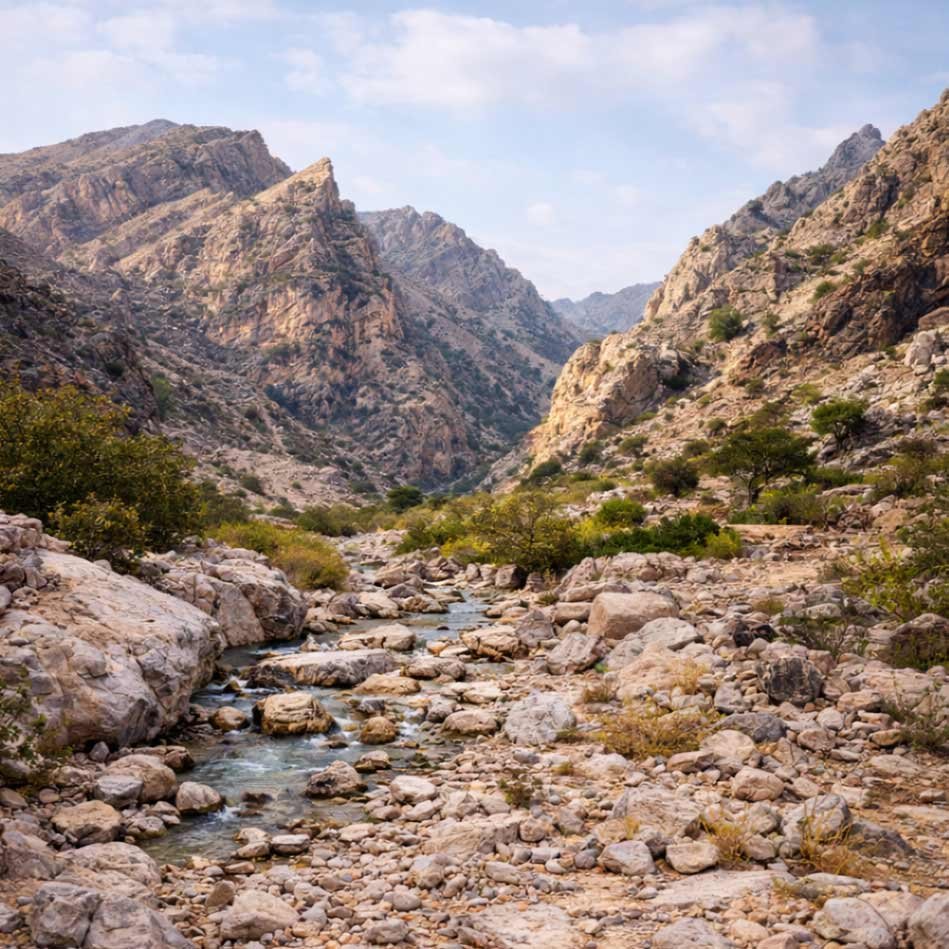
The island stretches about 132 kilometers in length and approximately 50 kilometers in width. Within this compact space, the terrain shifts dramatically, from coastal plains and white-sand beaches to limestone plateaus, deep valleys known as wadis, cave systems, and the Haggeher Mountains rising at its center. This geographical diversity allows visitors to experience beaches, highlands, and dramatic desert landscapes all within a single journey.
Experience Socotra
 Socotra travel guide
Planning a trip and wondering about the best places to visit in Socotra and the top things to do? From Dragon Blood Tree landscapes to remote beaches, freshwater canyons, and dramatic dunes, Socotra offers one of the most varied travel experiences in the region. These stops represent the places and activities that most travelers include in a well-planned Socotra itinerary. You can explore our Socotra tours or learn more in our travel FAQ to plan your trip.
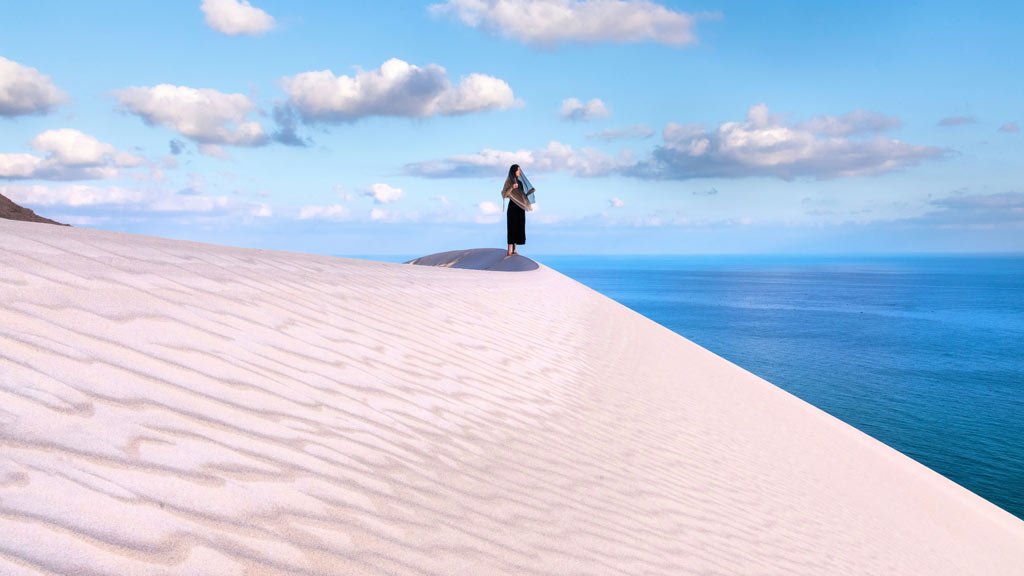
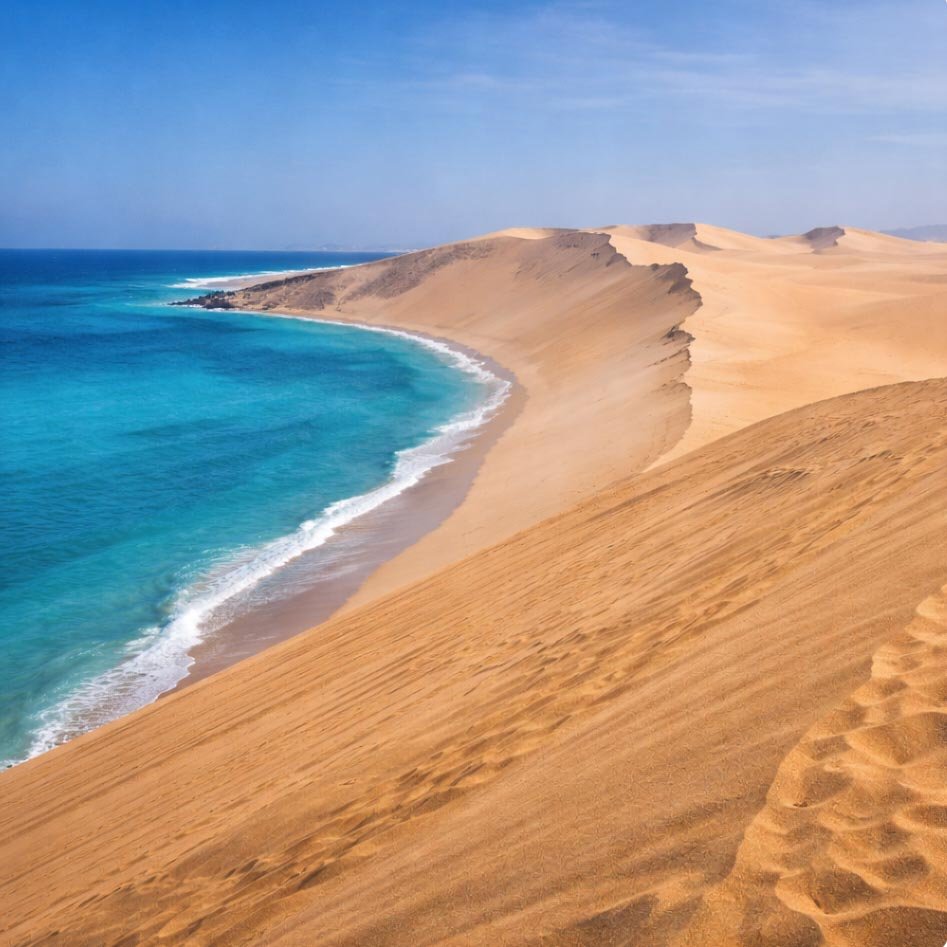
One of the most iconic places to visit in Socotra, Arher combines towering white dunes with a wild coastline. You can climb the dunes for sunrise views, walk along the quiet beach, and experience the rare contrast of desert landscapes meeting the sea. Many itineraries include camping here for a full experience.
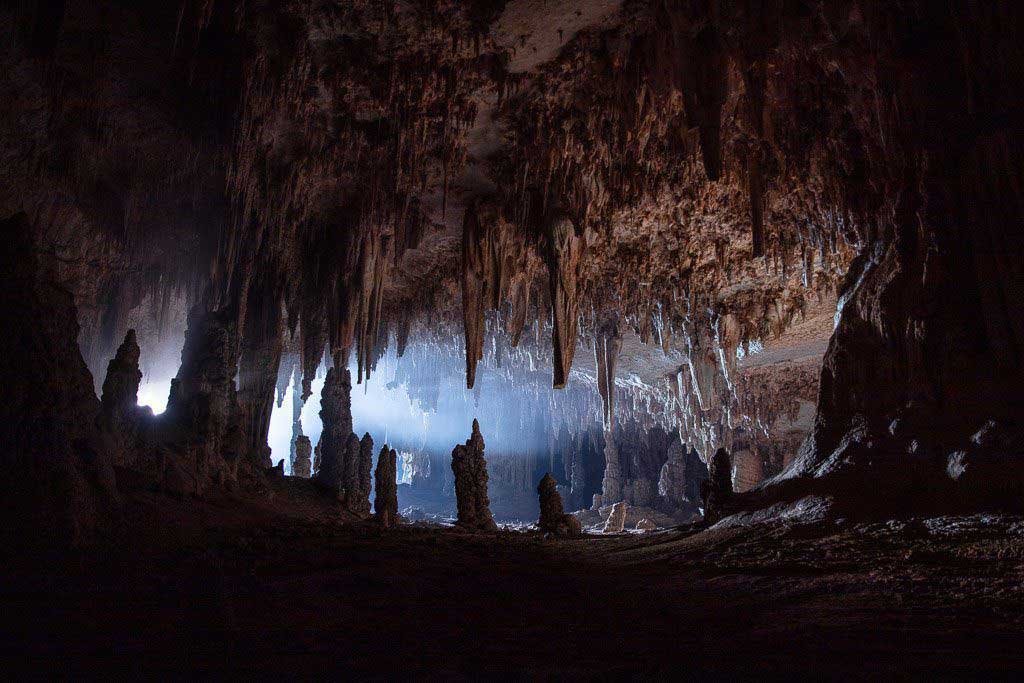
For travelers who enjoy activity, Hoq Cave offers one of the best things to do in Socotra. The hike itself gives elevated views over the coastline, while inside the cave you’ll find large chambers, stalactites, and ancient formations. It adds a completely different dimension beyond beaches and landscapes.
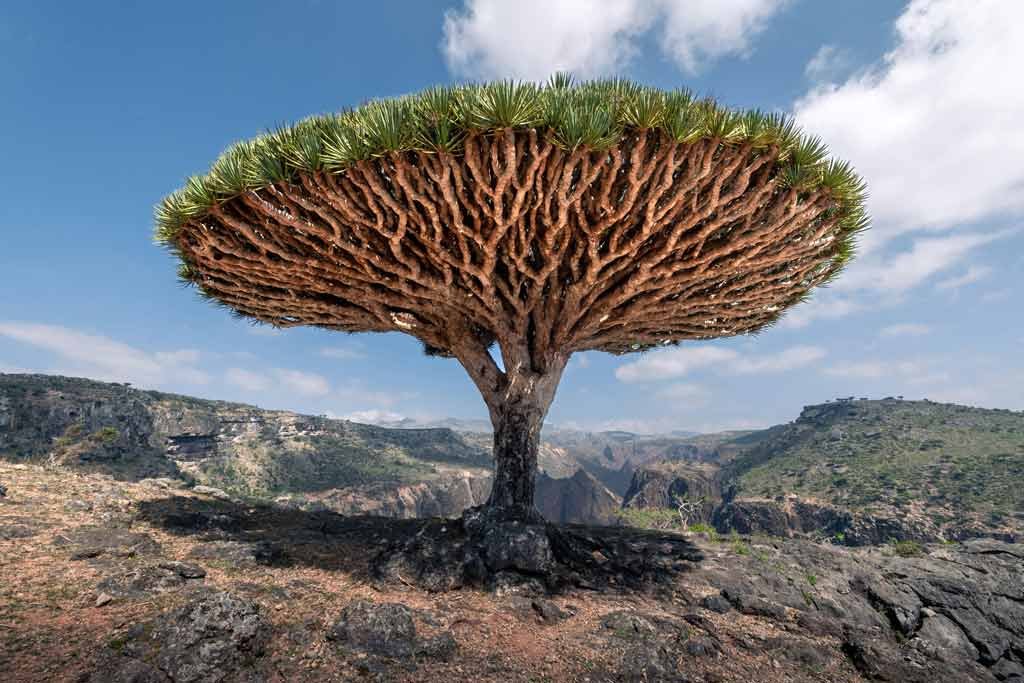
Diksam is one of the most scenic highland areas on the island. It combines dramatic canyon viewpoints with clusters of Dragon Blood Trees, making it one of the most photographed regions. It’s also where you begin to understand the scale and geological diversity of Socotra.
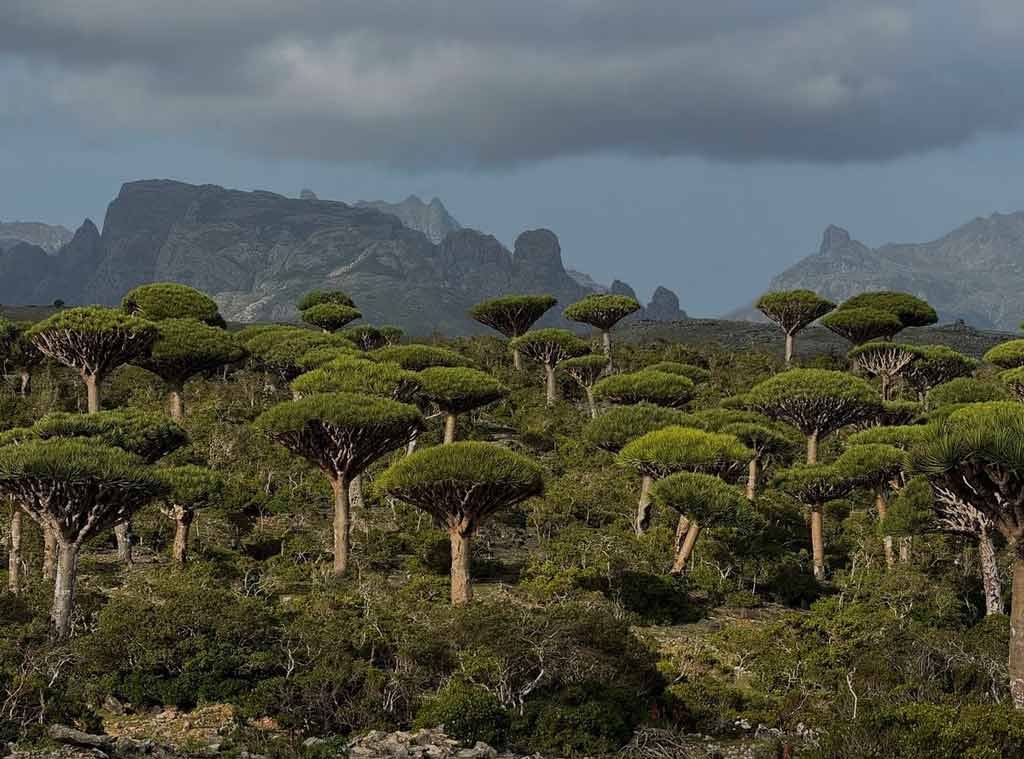
If you want to see Socotra’s most famous landscape, this is it. Firmihin has the densest concentration of Dragon Blood Trees, creating a surreal environment found nowhere else on Earth. Walking through this area feels like stepping into a different planet.
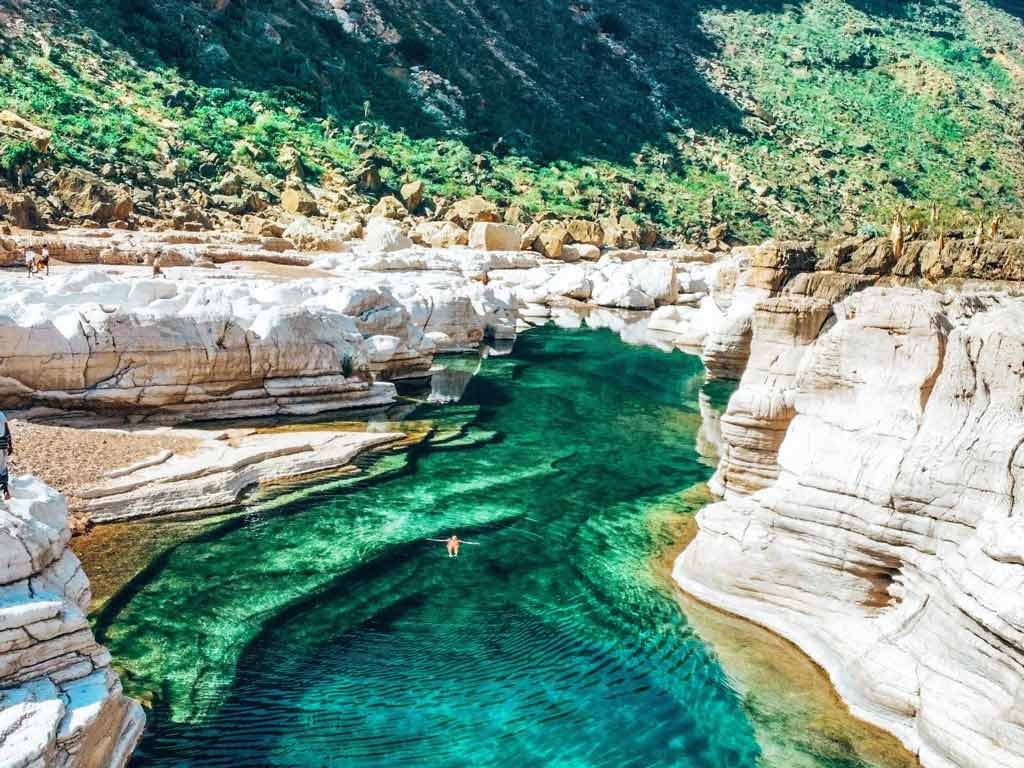
Kalysan Canyon is one of the best places to cool off during your trip. With freshwater pools, shaded rock formations, and scenic canyon walls, it offers a relaxing break from the island’s dry terrain and is a favorite stop for swimming and short walks.
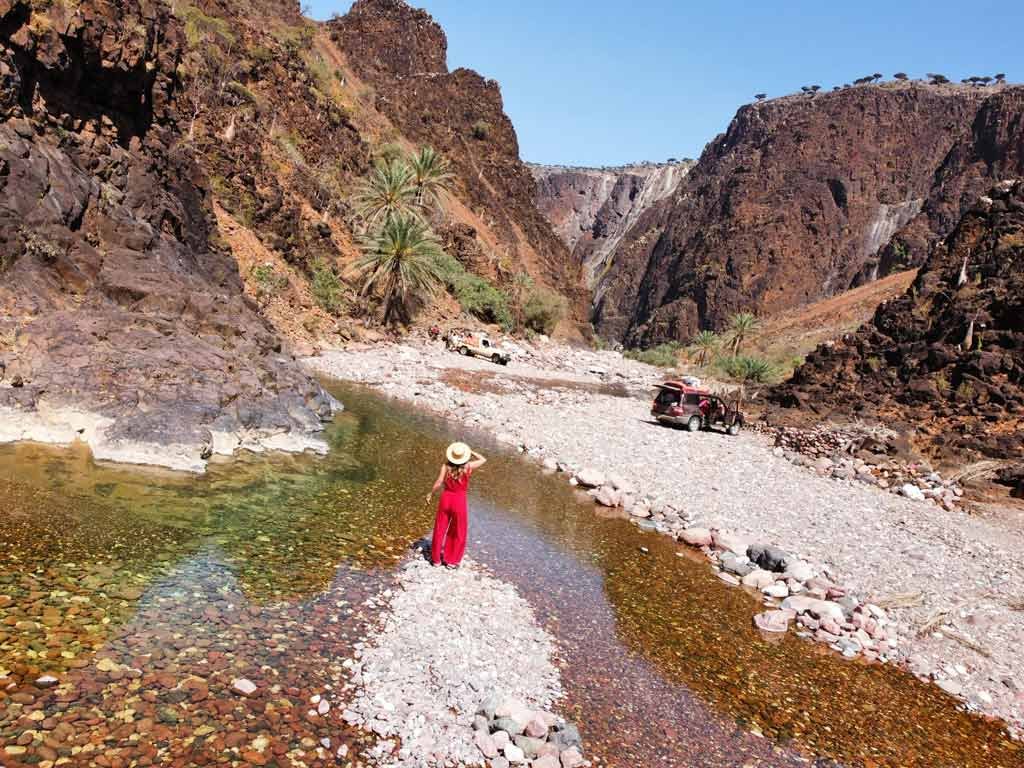
Wadi Dirhur is a calm and green valley that contrasts with the harsher landscapes around it. Visitors often stop here to relax, enjoy the scenery, and experience a quieter side of Socotra that feels more sheltered and peaceful.
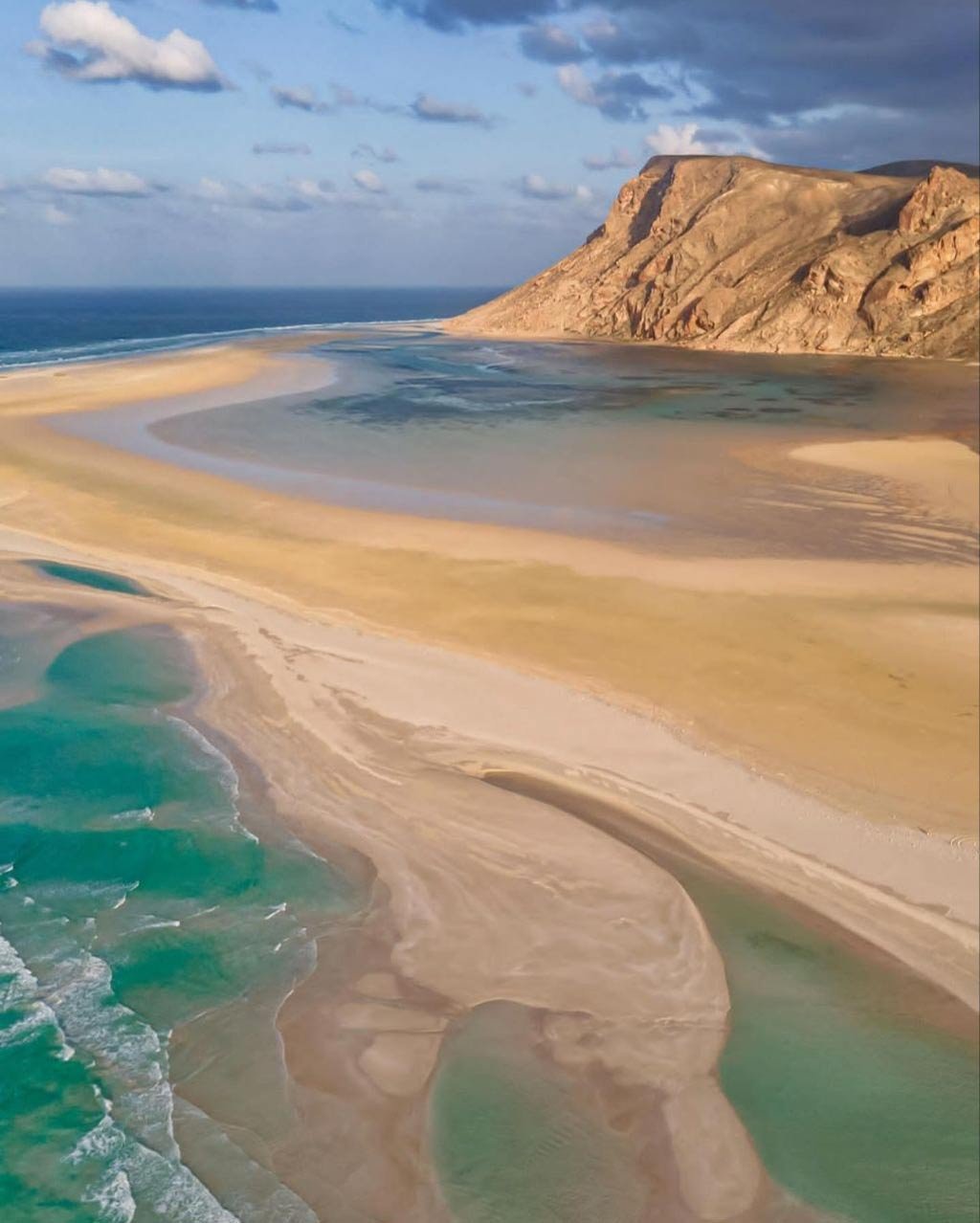
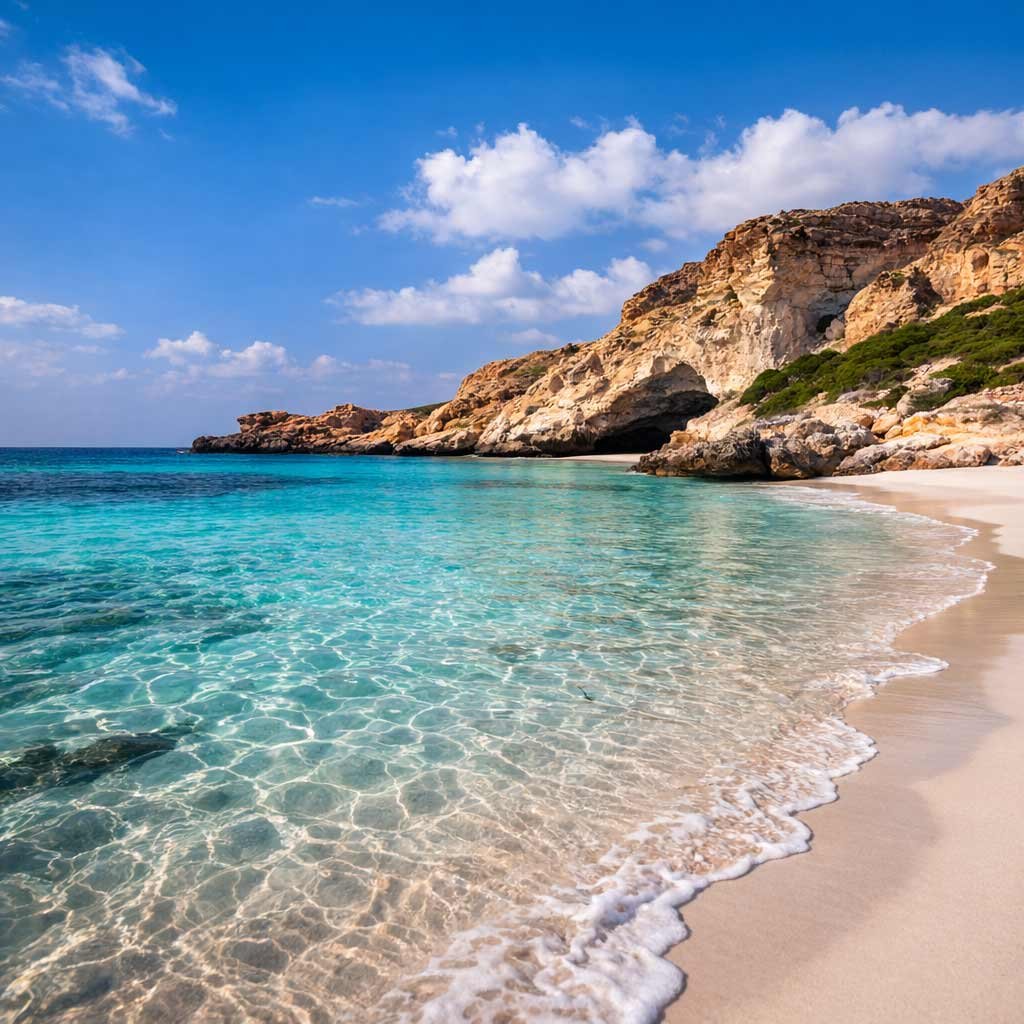
Detwah is known for its shallow turquoise waters and striking lagoon patterns. It’s one of the best places to walk barefoot across sandbanks, observe marine life, and enjoy a calm coastal environment that feels untouched.
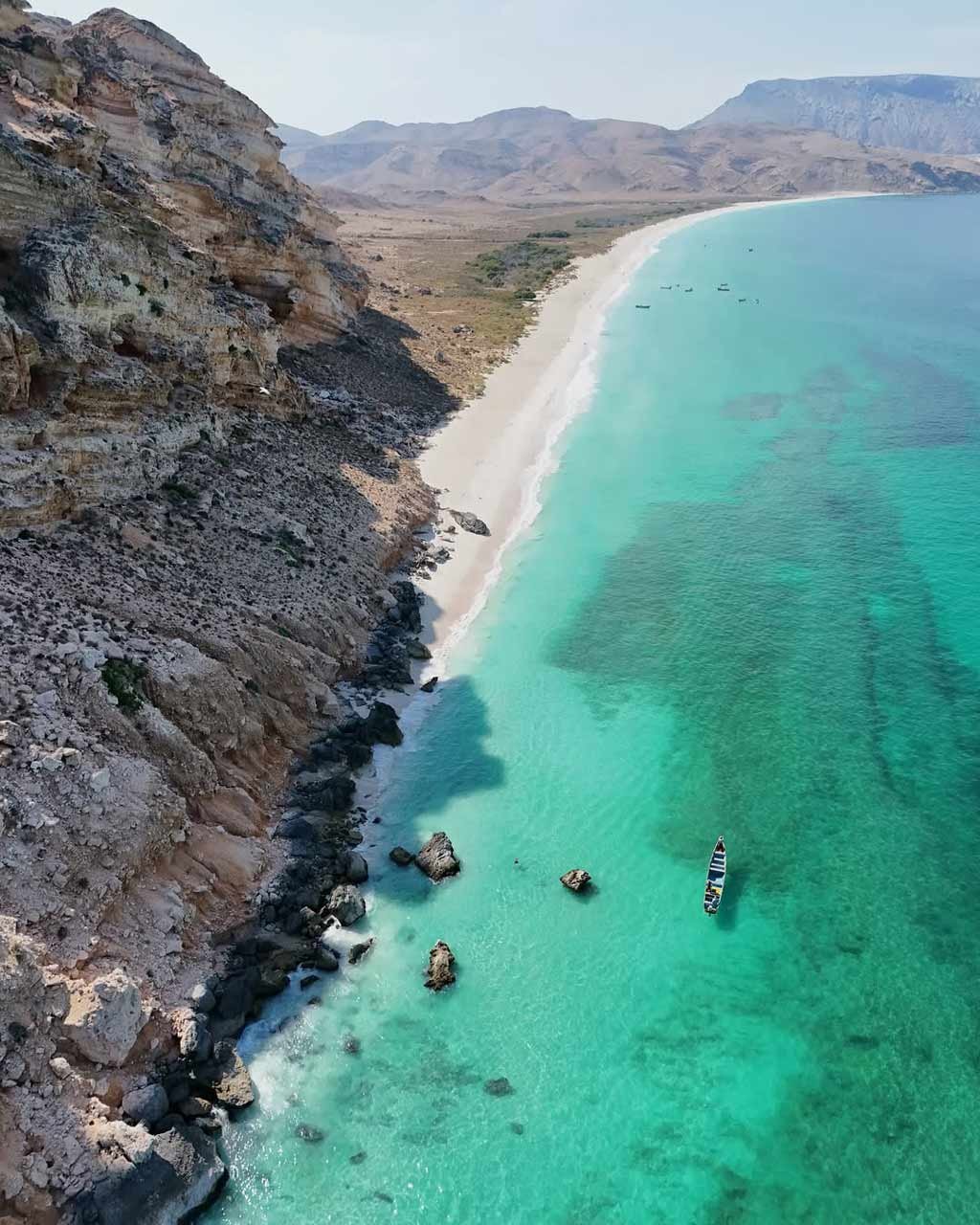
Reached by boat, Shoab is more than just a beach. The journey itself, often along dramatic cliffs, is part of the experience. Once there, you’ll find a wide, quiet shoreline where you can walk, relax, and enjoy the feeling of isolation.
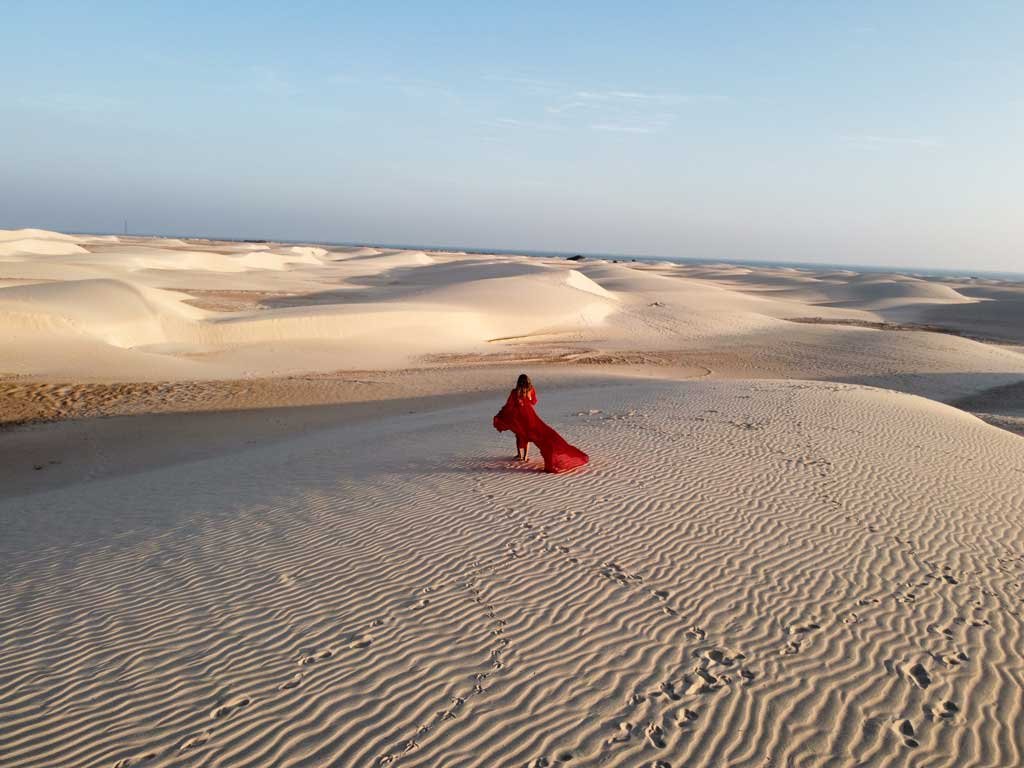
Located on the southern coast, Zahek dunes stretch along the shoreline and are especially beautiful at sunset. The light, colors, and open space make this a favorite stop for photography and evening walks.
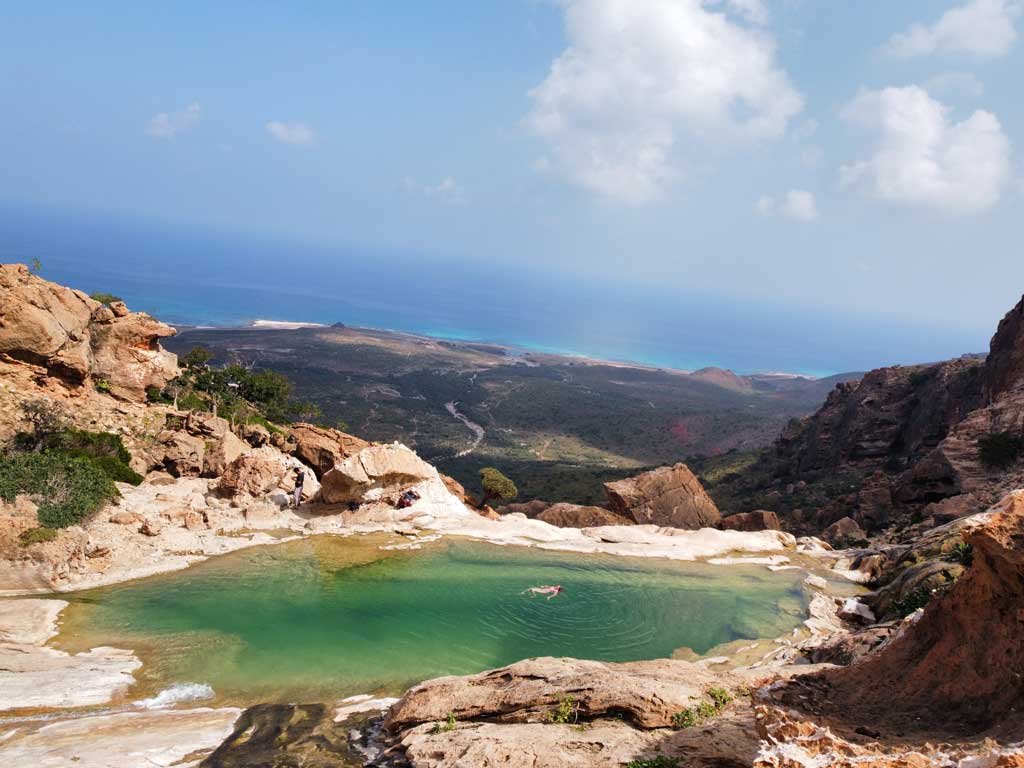
Homhil combines Dragon Blood Trees, hiking paths, and one of the island’s famous natural viewpoints. It’s a compact area that gives a strong overview of Socotra’s biodiversity and landscape variety.
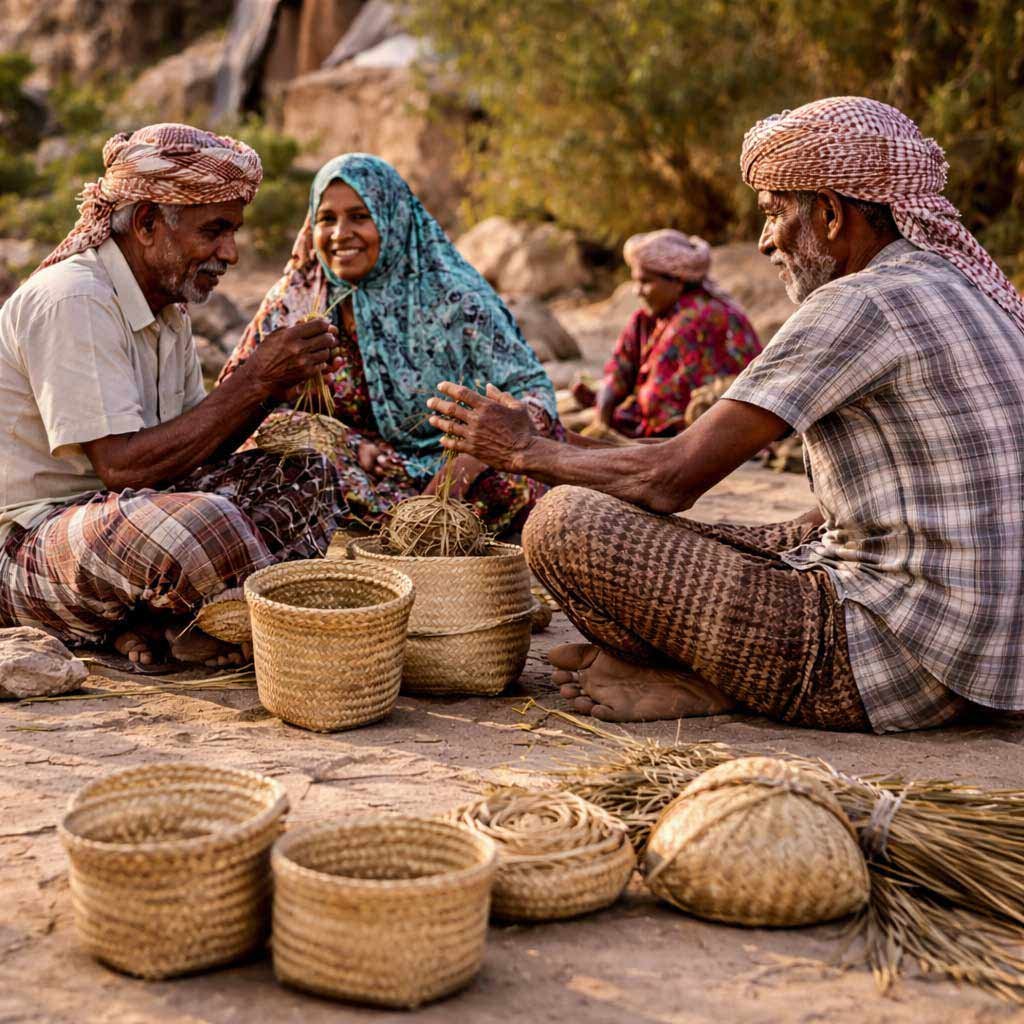
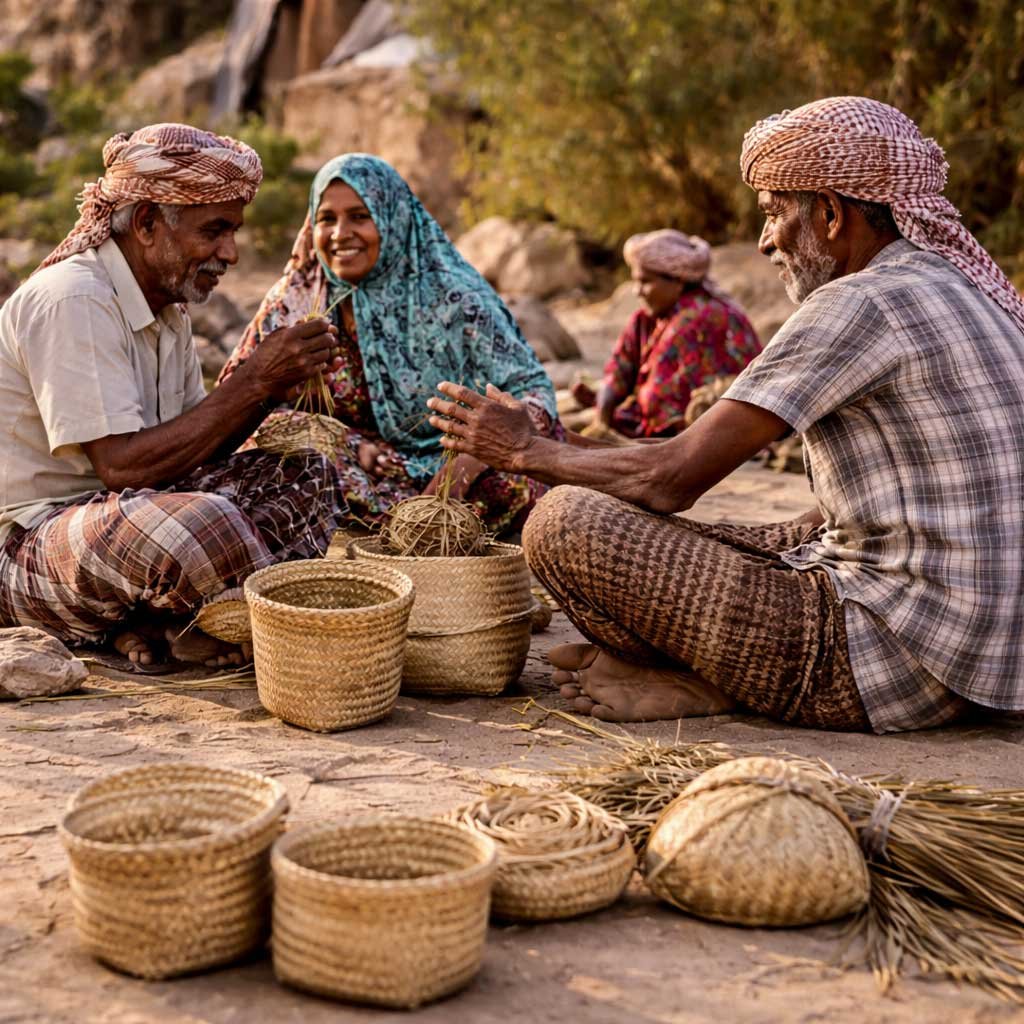
Spending time in Hadiboh gives context to the landscapes. You’ll see markets, local movement, and everyday life, helping you understand how people live on the island beyond its natural attractions.
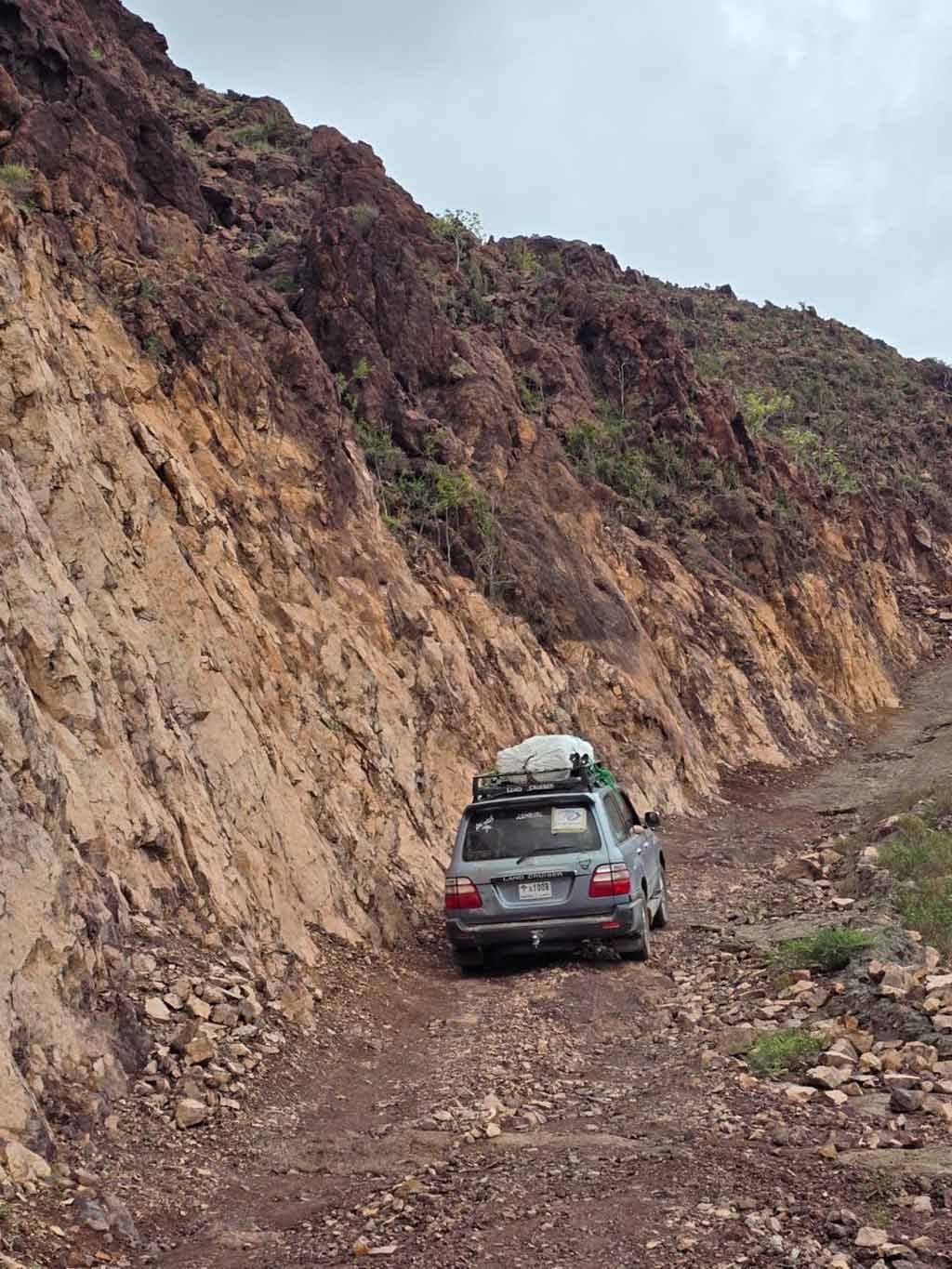
One of the best things to do in Socotra is simply travel across it. The island’s routes reveal constant changes in scenery, from cliffs and coves to wide beaches and highland views, making the journey itself a key part of the experience.
What Makes It Special
Travel questions
Socotra is generally considered safe for travelers, especially when visiting as part of an organized tour. The island is remote, calm, and known for its welcoming local culture. Most trips are guided, which makes travel logistics, transport, and overall safety easier to manage.
The best time to visit Socotra is from October to May, when the weather is stable and suitable for exploring beaches, mountains, and valleys. During this period, conditions are ideal for hiking, swimming, and traveling across the island.
Most travelers reach Socotra via flights from the UAE or Yemen. Trips are usually arranged as guided tours due to permits, transportation, and logistics. Booking through a tour ensures a smoother experience, including airport handling, accommodation, and daily travel across the island.

We are a team of experienced tourism professionals who can provide you with the best advice and tips for your travel.
Copyright © 2026 Socotra Explore. All rights reserved.